


Getting Electric to Your Land: What We Learned (and What We Wish We Knew Earlier)

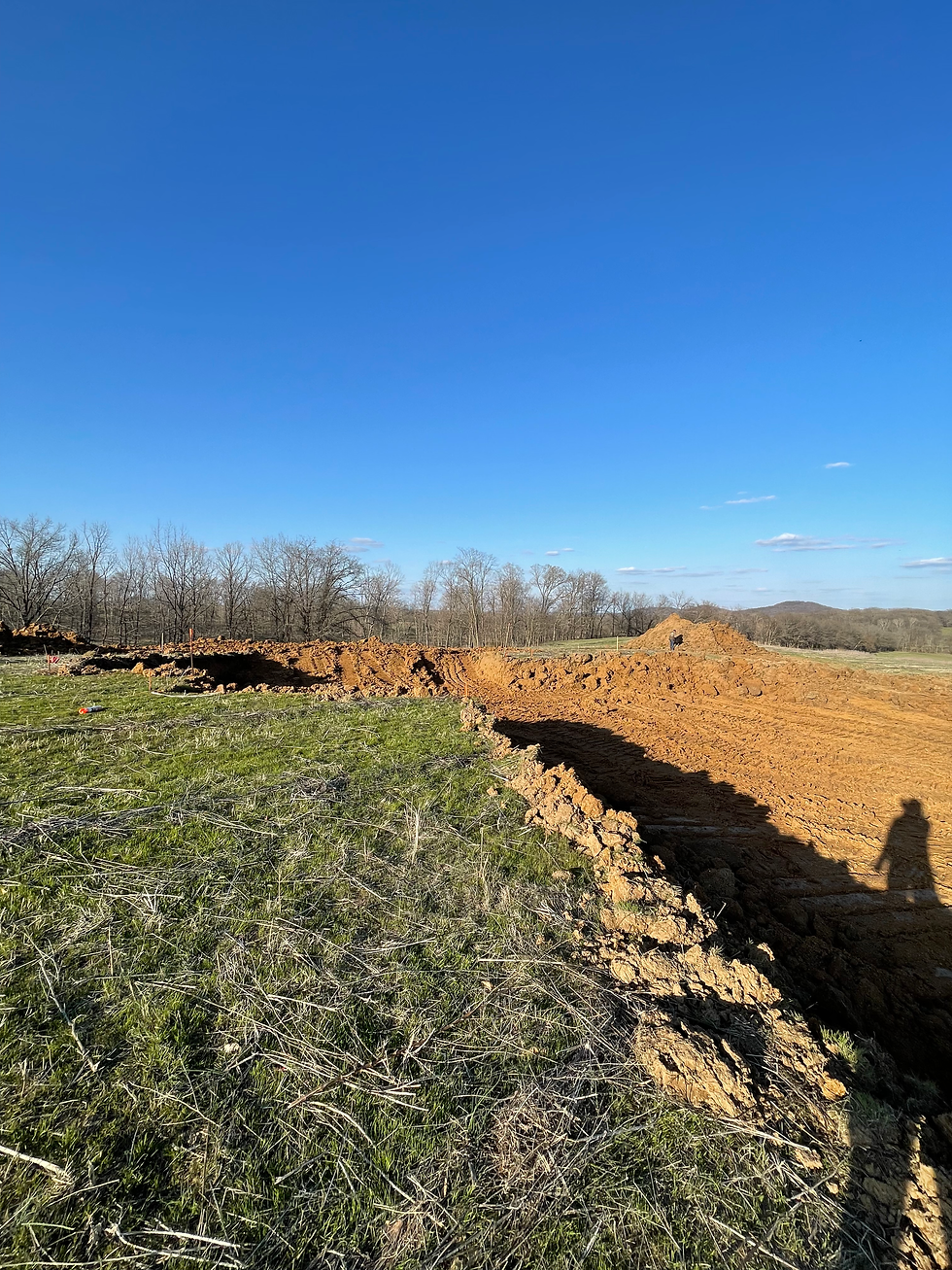
If you’re building on raw land like we did, getting electric isn’t as simple as calling the utility company and asking them to “turn it on.”
There are a few steps involved, and understanding them early can save you a lot of stress later.
Here’s what the process looked like for us.
Step 1: Find Out Who Provides Electric Service
The first thing you’ll need to do is figure out which electric company services your property.
Depending on where your land is located, you may have multiple utility providers nearby, but only one will actually service your address.
Once you know who the provider is, give them a call and let them know you’re planning to build a home. They’ll usually assign someone to help guide you through the process.
This was one of those things that felt intimidating at first, but honestly, they do this every day and were extremely helpful.
Step 2: Have the Property Evaluated
The utility company will typically send someone out to look at your property.
They’re trying to determine:
How far the home site is from existing power lines
Whether new poles need to be installed
If any trees need to be cleared
The best route to bring power onto the property
This is where your future house location becomes important.
You don’t necessarily need every detail finalized, but the utility company will need a pretty good idea of where the house is going to sit so they can determine how power will get there.
Step 3: Understand the Costs
Many people assume electric service is included when you buy land. Unfortunately, that’s usually not the case.
The cost can vary dramatically depending on:
Distance from existing power lines
Number of poles required
Whether service will be overhead or underground
Terrain and accessibility
Local utility company policies
Some people pay very little.
Others spend thousands—or even tens of thousands—of dollars extending power to a remote homesite.
And here’s something we learned along the way: don’t assume you’ll be able to tap into a nearby pole just because it’s close to your property.
When we were planning our build, there was an existing pole that seemed like the obvious option. Unfortunately, that pole was tied to a neighboring farm, and the owner ultimately denied permission for us to connect to it.
Because of that, we had to bring power in a different way—which added unexpected costs to our project. Just because power appears to be nearby doesn’t necessarily mean it’s available to you.
This is one of those details that can significantly impact your budget if you aren’t prepared for it!
Step 4: Decide Between Temporary and Permanent Power
If you’re building a home, you’ll likely need power before the house is finished.
That’s where temporary power comes in.
A temporary service pole allows contractors to have electricity during construction for tools, equipment, and other job site needs.
Eventually, that temporary service gets replaced by the permanent electrical service connected to your home.
Step 5: Work With Your Electrician
Once construction is underway, your electrician becomes a major part of the process.
They’ll handle things like:
Installing the meter base
Running service to the house
Coordinating inspections
Working with the utility company to schedule final connection
Luckily for us, our electrician was my father-in-law, who has done this a time or two. He was incredibly helpful and a total GANGSTER during our whole build.
Step 6: Wait for the Final Connection
After everything is installed and approved, the utility company will come out and make the final connection.

This is the exciting part.
After months of planning, permits, paperwork, phone calls, construction, and waiting, your house finally has power.
It’s one of those milestones that makes everything start feeling real.
What We’d Tell Anyone Building on Rural Land
If you’re building on acreage or rural property, don’t wait until the last minute to start this process.
Utility companies often have scheduling backlogs, and depending on your property, there may be additional work required before power can be installed.
The earlier you make that first phone call, the better.
Getting electric to your land isn’t the most exciting part of building a house, but it’s one of the most important. And like most things in the home-building process, it’s a lot less intimidating once you understand the steps.
We went into it knowing absolutely nothing, and somehow made it through. Hopefully this helps make the process a little easier for you, too!


Comments